



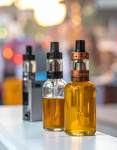
How Vaping Shifted From Solution to Problem
Research shows that many vaping users consume nicotine more frequently throughout the day compared to traditional smokers, increasing exposure and dependency patterns, as outlined in findings linked to Dr. Nora Volkow at the National Institute on Drug Abuse. That shift changes how addiction develops.
Here is the thing. Vaping was introduced as a harm reduction tool, a way to move away from smoking. But for many people, it has created a different kind of problem.
This is not just a substitute. It is a system that can reinforce behavior more often, more subtly, and more deeply.
When a habit becomes easier to repeat, it becomes harder to break.
You already know vaping feels lighter than smoking. The real issue is how often it allows your brain to reinforce the habit.
The Disappearance of Natural Boundaries
Smoking comes with built-in limits. You step outside, finish a cigarette, and the moment ends. Vaping removes those boundaries entirely.
The device stays in your hand, your pocket, or within reach at all times. There is no clear start or stop point.
Dr. Kent Berridge’s research on dopamine shows that repeated exposure to reward cues increases desire, not satisfaction. The more often the cue appears, the stronger the wanting signal becomes.
This means vaping turns what used to be a limited habit into a constant opportunity for reinforcement.
And your brain adapts to that quickly.
Why More Frequency Means Stronger Addiction
Addiction is not just about how strong something feels. It is about how often the cycle repeats.
With vaping, small doses of nicotine can be taken continuously. Each one creates a brief reinforcement loop.
Dr. Wolfram Schultz has shown that dopamine is heavily tied to anticipation and reward prediction. When rewards come frequently, the brain strengthens the expectation loop.
The brain learns faster from repetition than intensity.
This is why vaping can feel harder to quit. The habit has been reinforced far more times throughout the day.
Not because the experience is stronger, but because it is constant.
The Subconscious Integration Into Everyday Life
Vaping blends into daily activity in a way smoking never could. It becomes part of almost everything you do.
Working, driving, relaxing, thinking. The behavior attaches itself to multiple contexts.
Dr. Ann Graybiel at MIT has shown how habits become automatic when repeated across consistent environments. The more contexts a habit appears in, the more deeply it becomes embedded.
Research Snapshot
• Vaping increases frequency of nicotine intake (Volkow)
• Dopamine repetition strengthens craving (Schultz)
• Habits deepen when repeated across contexts (Graybiel, MIT)
This means vaping is not tied to a few moments. It becomes tied to many.
And that gives it more opportunities to trigger automatically.
Why It Feels Harder to Quit Than Smoking
When you try to stop vaping, you are not just removing a habit from one or two parts of your day. You are removing it from dozens.
Each of those moments creates a small sense of absence.
This makes the experience feel more persistent. The triggers appear more often, and the gaps feel more noticeable.
This is why willpower alone often struggles against it.
What Practitioners See With Long-Term Vaping
The pattern of vaping addiction shows a consistent structure across different clients.
In Practice
In years of working with habit and addiction patterns, I have consistently observed that vaping creates a broader behavioral footprint than smoking. Clients often report more frequent urges throughout the day, not because of stronger cravings, but because the behavior has been reinforced in more situations.
This expanded pattern means the habit has more triggers to work with.
And more triggers make it harder to disengage at a surface level.
It requires a deeper shift.
Breaking the Vaping Trap at Its Source
The vaping trap is not just about nicotine. It is about how the behavior has been integrated into your brain’s pattern system.
Dr. George Koob has shown that addiction evolves to become about maintaining balance and avoiding discomfort, not just seeking reward.
This means the brain begins to rely on vaping as a steady adjustment tool.

🔒 Related Solutions
All our programs use theta brainwave frequencies and binaural beats to guide your mind into the deeply receptive state where subconscious change actually occurs - the same state reached by experienced meditators, and the level at which hypnotic suggestion produces its most lasting results. Simply listen with headphones, relax, and let the recordings do the work.
🧠 Most Specific Program
The Vaping or Smoking Hypnosis Programs work directly at the deepest subconscious level to adddress nicotine cravings, stress-linked smoking triggers, identity-based habits, and the subconscious patterns that have been quietly reinforcing vaping or smoking despite repeated attempts to stop. The positive changes continue to steadily build and strengthen from the inside out, over the weeks and months ahead, until they become a natural, automatic and ongoing part of your everyday life.
🧘 Another Powerful Program
The Freedom from Anxiety Program dissolves stress, worry and overwhelm at the deepest subconscious level with a powerful 4-track hypnosis system.
🎯 Need Something More Personalized?
While our pre-made programs are effective for most people, if your situation feels more complex, deeply embedded, or highly personal than what a general program can address, a tailored approach may offer a deeper level of support. Our Custom Hypnosis Recordings are personally designed for you, giving you the flexibility to target your specific goals and challenges through carefully engineered layered audio tracks, theta brainwave entrainment, binaural beats, and NeuroFrequency Programming™ - to guide the mind into deeply relaxed, highly receptive states where positive subconscious changes occur more naturally.
🎯 New to Relaxation / Self-Hypnosis?
Our complementary 12 Minute Relaxation provides a guided recording perfect for starting out, or for anyone wanting quick light relaxation. More free downloads also on this page, for sleep etc.

🎧 Recommended Programs for This Topic
Quit Vaping (or Smoking) Hypnosis Program
Address nicotine cravings, stress-linked smoking triggers, identity-based habits, and the subconscious patterns that have been quietly reinforcing vaping or smoking despite repeated attempts to stop.

Freedom from Anxiety
Dissolve stress, worry and overwhelm at the deepest subconscious level with this powerful 4-track hypnosis system.

Health & Healing
Harness the power of hypnosis and visualization to strengthen your health and immune system from the inside, out.
Shop
See our entire selection of powerful hypnotic self help programs