



Why Most Quit Attempts Feel Like a Constant Fight
Research indicates that nicotine replacement therapies such as patches and gum can increase quit success rates by 50 to 70 percent, according to public health data reviewed by Dr. Nora Volkow. Yet relapse rates remain high, especially over the long term. That gap tells you something important.
Here is the thing. You can reduce cravings chemically, but that does not automatically remove the behavior that your mind has learned around smoking.
This is why so many people feel like they are fighting themselves. One part of you wants to stop, while another part keeps pulling you back toward the habit.
When you try to quit smoking consciously, you are often fighting a pattern that operates below awareness.
You already know smoking is harmful. The real issue is that your subconscious still sees it as useful.
What Patches and Gum Actually Do and Do Not Do
Patches and gum target the nicotine dependency itself. They reduce withdrawal symptoms, stabilize your chemistry, and make the physical side easier to handle.
That has value. It removes one layer of difficulty.
But they do not address the learned associations your brain has built around smoking. The moments, routines, emotions, and triggers remain intact.
Dr. George Koob, a leading researcher in addiction science, explains that addiction shifts from reward to relief over time. Smoking becomes less about pleasure and more about managing how you feel.
This means even if nicotine levels are controlled, the trigger to smoke can still activate automatically.
The urge does not disappear. It simply changes form.
Why Willpower Breaks Down Over Time
Willpower works in short bursts. It allows you to push through urges, hold a decision, and resist temptation for a period of time.
But willpower is not constant. It fluctuates based on stress, energy levels, and emotional load.
Psychologist Roy Baumeister has shown that self-control functions like a limited resource. When it is depleted, behavior defaults back to automatic patterns.
You do not relapse because you failed. You relapse because your brain returned to a stronger, rehearsed pattern.
This is why you can make a strong decision in the morning and still find yourself smoking later in the day without fully understanding how it happened.
The system underneath your decision is still active.
The Subconscious Pattern That Keeps Smoking Alive
Smoking is rarely just about nicotine. It becomes attached to moments. After meals, during stress, while driving, when thinking, when pausing.
Each of these becomes a trigger linked to relief or reward.
Dr. Ann Graybiel’s research at MIT shows how repeated behaviors become deeply embedded habit loops within the brain. Once formed, they activate automatically when cues appear.
Research Snapshot
• Nicotine replacement improves short-term quit success (Volkow)
• Habits become automatic through repeated cue-reward patterns (Graybiel, MIT)
• Self-control weakens under stress and fatigue (Baumeister)
This is why smoking often feels tied to certain moments in a way that seems almost automatic.
It is not random. It is conditioned.
And this is the layer that traditional approaches do not fully address.
How Hypnosis Works at a Different Level
Hypnosis works by accessing the same level of the mind where these patterns exist.
Instead of trying to force change from the outside, it works from the inside, where the associations are stored.
Dr. David Spiegel at Stanford has shown that focused attention states increase suggestibility, allowing deeply ingrained behaviors to be modified more effectively.
Similarly, Dr. Irving Kirsch at Harvard has demonstrated that expectations and suggestion play a powerful role in shaping behavioral responses.
This is a completely different approach. Instead of resisting smoking, you begin changing what it means to you at a subconscious level.
What Changes When the Subconscious Shifts
When hypnosis works effectively, the triggers lose their intensity. The automatic pull begins to weaken.
In Practice

🔒 Related Solutions
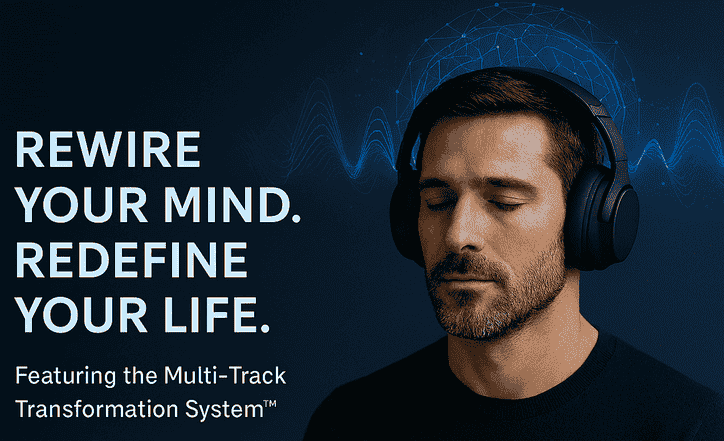
All our programs use theta brainwave frequencies and binaural beats to guide your mind into the deeply receptive state where subconscious change actually occurs - the same state reached by experienced meditators, and the level at which hypnotic suggestion produces its most lasting results. Simply listen with headphones, relax, and let the recordings do the work.
🧠 Most Specific Program
The Vaping or Smoking Hypnosis Programs work directly at the deepest subconscious level to adddress nicotine cravings, stress-linked smoking triggers, identity-based habits, and the subconscious patterns that have been quietly reinforcing vaping or smoking despite repeated attempts to stop. The positive changes continue to steadily build and strengthen from the inside out, over the weeks and months ahead, until they become a natural, automatic and ongoing part of your everyday life.
🧘 Another Powerful Program
The Freedom from Anxiety Program dissolves stress, worry and overwhelm at the deepest subconscious level with a powerful 4-track hypnosis system.
🎯 Need Something More Personalized?
While our pre-made programs are effective for most people, if your situation feels more complex, deeply embedded, or highly personal than what a general program can address, a tailored approach may offer a deeper level of support. Our Custom Hypnosis Recordings are personally designed for you, giving you the flexibility to target your specific goals and challenges through carefully engineered layered audio tracks, theta brainwave entrainment, binaural beats, and NeuroFrequency Programming™ - to guide the mind into deeply relaxed, highly receptive states where positive subconscious changes occur more naturally.
🎯 New to Relaxation / Self-Hypnosis?
Our complementary 12 Minute Relaxation provides a guided recording perfect for starting out, or for anyone wanting quick light relaxation. More free downloads also on this page, for sleep etc.

🎧 Recommended Programs for This Topic
Quit Vaping (or Smoking) Hypnosis Program
Address nicotine cravings, stress-linked smoking triggers, identity-based habits, and the subconscious patterns that have been quietly reinforcing vaping or smoking despite repeated attempts to stop.

Freedom from Anxiety
Dissolve stress, worry and overwhelm at the deepest subconscious level with this powerful 4-track hypnosis system.

Health & Healing
Harness the power of hypnosis and visualization to strengthen your health and immune system from the inside, out.
Shop
See our entire selection of powerful hypnotic self help programs