



People ask me this one a lot. And it's a fair question - because from the outside, meditation and hypnosis can look remarkably similar. Both involve closing your eyes, relaxing deeply, and doing something quiet with your mind. So what's actually going on under the hood? And does it matter which one you choose?
The short answer is: they're related, but genuinely different - and understanding how can help you get a lot more out of whichever one you use. Or both, as many people find works best.
What Is Meditation, Really?
Meditation is, at its core, a practice of present-moment awareness. In most forms, the goal is to observe - your thoughts, your breath, your sensations - without getting caught up in them. You're not trying to change anything. You're training the mind to simply be, rather than constantly react.
There are many styles of meditation, but most share a common thread: you are awake, aware, and watching. The meditator is the observer. Thoughts arise, and you let them pass without following them down the rabbit hole.
Over time, this builds something genuinely valuable - a quieter, more spacious relationship with your own mind. Less reactive. More present. Less hijacked by the chatter.
Think of meditation as mental fitness training. Like going to the gym, the benefits build gradually through consistent practice. You're strengthening your capacity for calm, focus, and emotional balance - one session at a time.
What Is Hypnosis, Really?
Hypnosis is a different kind of focused state - one where the analytical, critical part of the mind steps back, and the subconscious becomes unusually open to new ideas, suggestions, and patterns.
Rather than observing thoughts from a distance, hypnosis is more directed. A guide - whether a practitioner or a recording - leads you into a deeply relaxed state and then works with the subconscious directly, introducing new beliefs, dissolving old ones, rehearsing positive outcomes, or releasing emotional weight.
The hypnotic state isn't sleep, and it isn't unconsciousness. Most people describe it as deeply relaxed but aware - a bit like that dreamy, floaty feeling just before you drift off at night, where your mind is receptive but your body is completely at rest.

The Key Differences at a Glance
Here's a simple way to think about how they differ across the things that matter most:
| 🧘 Meditation | 💫 Hypnosis | |
|---|---|---|
| Primary mode | Awareness & observation | Direction & suggestion |
| State of mind | Awake, present, watching | Deeply relaxed, receptive |
| Goal | Build calm & awareness over time | Create specific subconscious change |
| Works best for | Stress, focus, emotional balance | Habits, fears, beliefs, performance |
| Learning curve | Takes practice to quiet the mind | Guided - easier to access quickly |
| Speed of results | Gradual, cumulative | Often felt from the first session |
Neither is superior - they simply suit different purposes. And as you'll see, they work beautifully together.
Where They Overlap
Despite the differences, hypnosis and meditation share a lot of common ground - which is part of why people confuse them.
- Both involve deep relaxation of the body and mind
- Both reduce stress hormones like cortisol
- Both improve sleep quality with regular use
- Both work below the surface of ordinary conscious thought
- Both become more effective with consistent practice
- Both can be accessed easily through guided audio recordings
In fact, many guided meditations - especially deeper, more immersive ones - cross into territory that's genuinely hypnotic. And some hypnosis sessions begin with a meditation-style awareness exercise before moving into suggestion work. The boundary is real, but it's not always sharp.
🧘 Want to Experience Both - Without the Guesswork?
Whether you're drawn to meditation, hypnosis, or both, guided audio recordings make it easy to explore either approach from the comfort of home. No experience needed - just headphones, somewhere comfortable, and a willingness to let go.
🎯 Best Starting Point: My Deep Meditation Program uses advanced audio technology to guide you into profound states of inner stillness - delivering many of the benefits of both deep meditation and hypnosis in a single, easy daily session.
✔ Want Something More Targeted? My Custom Hypnosis Recordings are built specifically around your goals - whether that's anxiety, confidence, sleep, performance, or something else entirely.
🎁 Not sure where to start? Download my complimentary 12 Minute Relaxation - a free guided recording that gives you a genuine feel for the deep relaxation that both approaches share.

Which One Should You Choose?
The honest answer is: it depends on what you're trying to achieve. Here's a rough guide:
Choose meditation if you want to:
- Build long-term emotional resilience and inner calm
- Improve focus, concentration, and mental clarity
- Develop a daily mindfulness practice
- Reduce general stress and the noise of a busy mind
- Explore a spiritual or contemplative practice
Choose hypnosis if you want to:
- Change a specific habit, fear, or belief
- Address performance anxiety or self-confidence
- Work through something emotional more directly
- Get results more quickly - hypnosis tends to work faster on targeted issues
- Reinforce new patterns at the subconscious level
Use both if you want to:
- Build a comprehensive daily mental training practice
- Approach a challenge from multiple angles simultaneously
- Combine the steadiness meditation builds with the targeted change hypnosis creates
Many people find that starting with meditation builds the mental stillness that makes hypnosis more effective - and that hypnosis creates changes that make meditation easier to sustain. They feed each other.

What the Brain Is Actually Doing
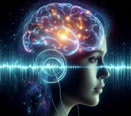
If you want to get slightly more technical for a moment - both practices produce measurable changes in brainwave activity, and this is where some of the most interesting science lives.
During normal waking life, your brain operates mostly in beta - alert, active, processing. During meditation, it tends to shift toward alpha - relaxed, calm, open. In deeper meditation or light hypnosis, you move into theta - a slower, more dreamy state that's strongly associated with creativity, insight, and subconscious processing.
Theta is the sweet spot where both deep meditation and hypnosis do their best work. It's a state the brain naturally enters just before sleep - and it's why both practices can feel so profoundly restful, even when you haven't slept at all.
The difference is that in meditation, you're usually trying to simply rest in that state - observing without directing. In hypnosis, that state is used as a window to actively work with the subconscious. Same room, different activity.
A Note on Common Misconceptions
Let's clear up a few things that put people off one or both of these approaches:
"Hypnosis means someone controls your mind."
Not remotely true. You are always aware and always in control. The hypnotic state simply makes the subconscious more receptive - it doesn't bypass your values or make you do anything against your will.
"Meditation means emptying your mind completely."
This puts a lot of people off before they start. In reality, meditation isn't about having no thoughts - it's about changing your relationship with them. Thoughts arise. You notice them. You don't follow them. That's it.
"These are religious or spiritual practices."
Meditation has roots in spiritual traditions, yes - but modern, secular meditation is simply a mental training tool, backed by decades of neuroscience research. Hypnosis has no spiritual association at all. Both are accessible to anyone, regardless of belief.
Final Thoughts: They're Not Rivals
The meditation vs hypnosis question is a bit like asking whether stretching or strength training is better. The answer depends on what you need - and for most people, a combination of both produces the best results.
Meditation builds the foundation: a quieter mind, steadier emotions, better focus. Hypnosis builds on that foundation: targeting specific patterns, beliefs, and habits with precision.
Together, they cover both the broad and the specific - and make for one of the most powerful daily mental training practices available to anyone.
The best part? With guided audio recordings, neither requires any prior experience. You just press play, get comfortable, and let the process do the work.
🎯 Want a personalized Place to Start?
Not sure whether meditation or hypnosis is the better fit for where you are right now? Our custom hypnosis recordings are built around your specific situation, goals, and challenges - giving you something tailored rather than generic, so you get results faster and with less guesswork.