




There's a reason the world's most productive people - top executives, elite athletes, surgeons, writers, entrepreneurs - quietly swear by meditation. Not because it's trendy. Not because it makes them feel spiritual. But because it works.
In a world that throws more information, more decisions, and more distractions at us than any previous generation has ever had to deal with, the ability to focus has become one of the most valuable skills a person can have. And meditation - done consistently - is one of the most reliable ways to build it.
This isn't about sitting cross-legged for hours or emptying your mind of all thought. It's about training a specific mental capacity - the ability to direct and hold your attention - so that when you sit down to work, your brain actually cooperates.
Why Focus Has Become So Hard
Before we look at the solution, it's worth understanding why so many people struggle to focus in the first place - because it's not a character flaw, and it's not laziness. It's biology meeting a modern environment it wasn't designed for.
Your brain is wired to notice novelty. Any new stimulus - a notification, a headline, a sudden noise - triggers a small dopamine hit that pulls attention away from whatever you were doing. This was useful when novelty meant "potential food source" or "possible predator." In 2026, it mostly means you've checked your phone seventeen times in the last hour without meaning to.
Research suggests the average person's attention is interrupted or self-diverted every 47 seconds during work - and that it takes over 20 minutes to fully regain deep focus after a distraction. Do the maths on that and it becomes clear why so many people end the day feeling exhausted but unproductive.
Meditation doesn't change the environment. But it changes your relationship with it - training the brain to notice distractions without automatically chasing them.
What Meditation Actually Does to Your Brain
This is where it gets genuinely interesting. Meditation produces measurable, structural changes in the brain - not just temporary mood shifts, but lasting neurological differences that show up on brain scans.
Regular meditators show:
- Increased grey matter in the prefrontal cortex - the area responsible for decision-making, attention, and self-control
- Reduced activity in the default mode network - the part of the brain responsible for mind-wandering and distraction
- A thicker anterior cingulate cortex - associated with sustained attention and the ability to catch when the mind has wandered
- Lower amygdala reactivity - meaning less emotional hijacking when things get stressful
In plain terms: a consistent meditation practice physically reshapes your brain in ways that make focus easier, decisions clearer, and emotional reactions less likely to derail your day.

The Productivity Connection
Productivity isn't about doing more things. It's about doing the right things, well, with full attention. And that's exactly what meditation supports.
Here's what consistent meditators typically notice in their work and daily output:
- Faster task completion - because the mind isn't constantly pulling away mid-task
- Better decision-making - calmer, clearer thinking leads to fewer costly mistakes
- Less mental fatigue - a quieter mind uses less energy, leaving more in reserve for what matters
- Improved creativity - the relaxed, open state meditation produces is where insight and original thinking naturally arise
- Greater resilience under pressure - stress affects productivity enormously; meditation reduces the stress response directly
None of these are small gains. Even modest improvements in focus and mental clarity can transform how much you actually get done - and how you feel at the end of the day.
How Long Does It Take to Work?
One of the most common questions - and the answer is more encouraging than most people expect.
Studies have found measurable improvements in attention and focus after as little as four days of consistent practice - even in people who had never meditated before. Structural brain changes have been observed in people who meditated for just eight weeks.
You don't need years of practice to notice a difference. Most people report feeling calmer and more mentally organised within the first week or two of daily sessions.
The key word is daily. Ten minutes every day beats an hour once a week, every time. Consistency is what builds the neural pathways - sporadic practice doesn't accumulate the same way.
🎯 Want a Sharper, More Focused Mind - Starting Today?
The quickest way to experience the focus and productivity benefits of meditation is through guided audio - no experience needed, no learning curve, no sitting in silence wondering if you're doing it right. Just press play, follow along, and let the recording guide your mind into the state where real focus lives.
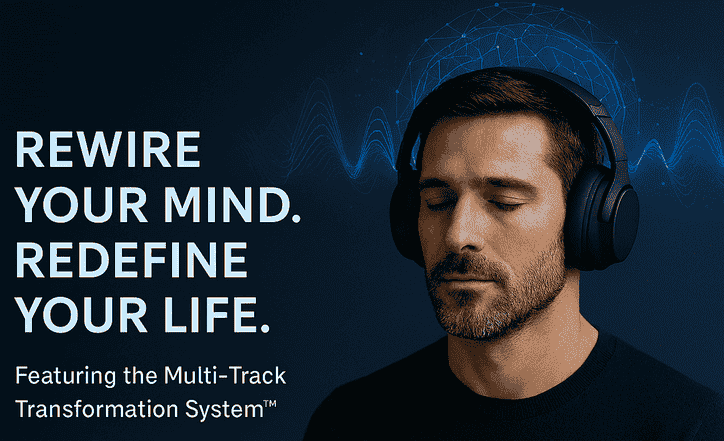
🎯 Best Solution: My Deep Meditation Program uses advanced audio technology to guide you effortlessly into deep states of mental clarity and calm - the same states that top performers, executives, and athletes deliberately cultivate to think more clearly, decide more confidently, and get more done in less time.
The Deep Focus & Concentration Program is a 5-track subconscious system designed to build deep work states, concentration, and sustained mental clarity for high-performance focus.
The Freedom from Anxiety Program dissolves stress, worry and overwhelm at the deepest subconscious level with a powerful 4-track hypnosis system.
✔ Also Worth Exploring: My Custom Hypnosis Recordings - for a more targeted approach to specific focus challenges like procrastination, performance anxiety, or mental blocks that meditation alone may not shift quickly enough.
🎁 Not ready yet? Download my complimentary 12 Minute Relaxation - a free guided recording that shows you exactly what a focused, clear mental state actually feels like. No commitment required.

The Best Types of Meditation for Focus
Not all meditation is equally effective for focus and productivity. Here are the styles that research and practice consistently point to:
Focused Attention Meditation
The most direct training for focus. You choose a single object of attention - usually the breath - and keep returning to it every time the mind wanders. Simple, unglamorous, and extraordinarily effective with consistent practice.
Body Scan Meditation
Moving attention systematically through the body trains the ability to hold focus on a specific target for extended periods. Also deeply relaxing - useful if stress or physical tension is affecting your concentration.
Guided Meditation
For most people - especially beginners - guided audio is by far the easiest and most effective entry point. Rather than battling an untrained mind in silence, you follow a voice that leads you into the right state. The results come faster, the sessions are more consistent, and the experience is genuinely enjoyable rather than a chore.
Deep Meditation with Audio Technology
Programs like the Deep Meditation Program use specially designed audio frequencies to guide the brain into deep alpha and theta states - the mental zones where focus, creativity, and clarity naturally thrive. This is the fast track for people who want results without spending years developing a traditional practice.
When to Meditate for Maximum Productivity
Timing matters - not because there's one perfect moment, but because strategic placement in your day amplifies the benefits.
- Morning - before checking any devices, a 10–20 minute session sets the tone for the entire day. You start grounded and clear rather than reactive and scattered.
- Pre-work - a short session immediately before your most important work block can sharpen focus dramatically for the hours that follow.
- Midday reset - even 10 minutes at lunch can restore mental clarity and prevent the familiar afternoon slump.
- Evening wind-down - helps the brain decompress, improving sleep quality which directly affects next-day cognitive performance.
You don't need all of these. One consistent daily slot - whichever fits your schedule - is all it takes to begin building the focus advantage.

Meditation and Hypnosis: Better Together for Performance
While meditation builds general focus and mental clarity over time, hypnosis can target specific productivity obstacles with precision - things like procrastination, fear of failure, perfectionism, or the habit of avoiding deep work in favour of busy-but-unimportant tasks.
Many high performers use both: meditation as a daily foundation practice, and targeted hypnosis recordings to address specific mental blocks as they arise. The two complement each other naturally - meditation creates the mental space, and hypnosis works within that space to install better habits and beliefs at the subconscious level.
If you've ever noticed that you know what you should be doing but still can't make yourself do it consistently, that's a subconscious pattern - and hypnosis is particularly well-suited to addressing exactly that.
Final Thoughts: Your Brain Is Trainable
The ability to focus deeply, work clearly, and produce your best thinking consistently isn't fixed. It's a skill - and like any skill, it responds to the right kind of training.
Meditation is that training. Not a cure-all, not a magic switch, but a genuinely reliable tool for building the mental capacity that underlies everything else you want to achieve.
Ten minutes a day. A comfortable spot. Headphones and a good guided program. That's the whole investment - and the returns compound daily.
🎯 Got a Specific Focus Challenge Holding You Back?
Procrastination, perfectionism, mental blocks, difficulty switching off - sometimes these need more than a general meditation practice. Our custom hypnosis recordings are built around your specific situation, targeting the exact subconscious patterns that are getting in the way of your best performance.